
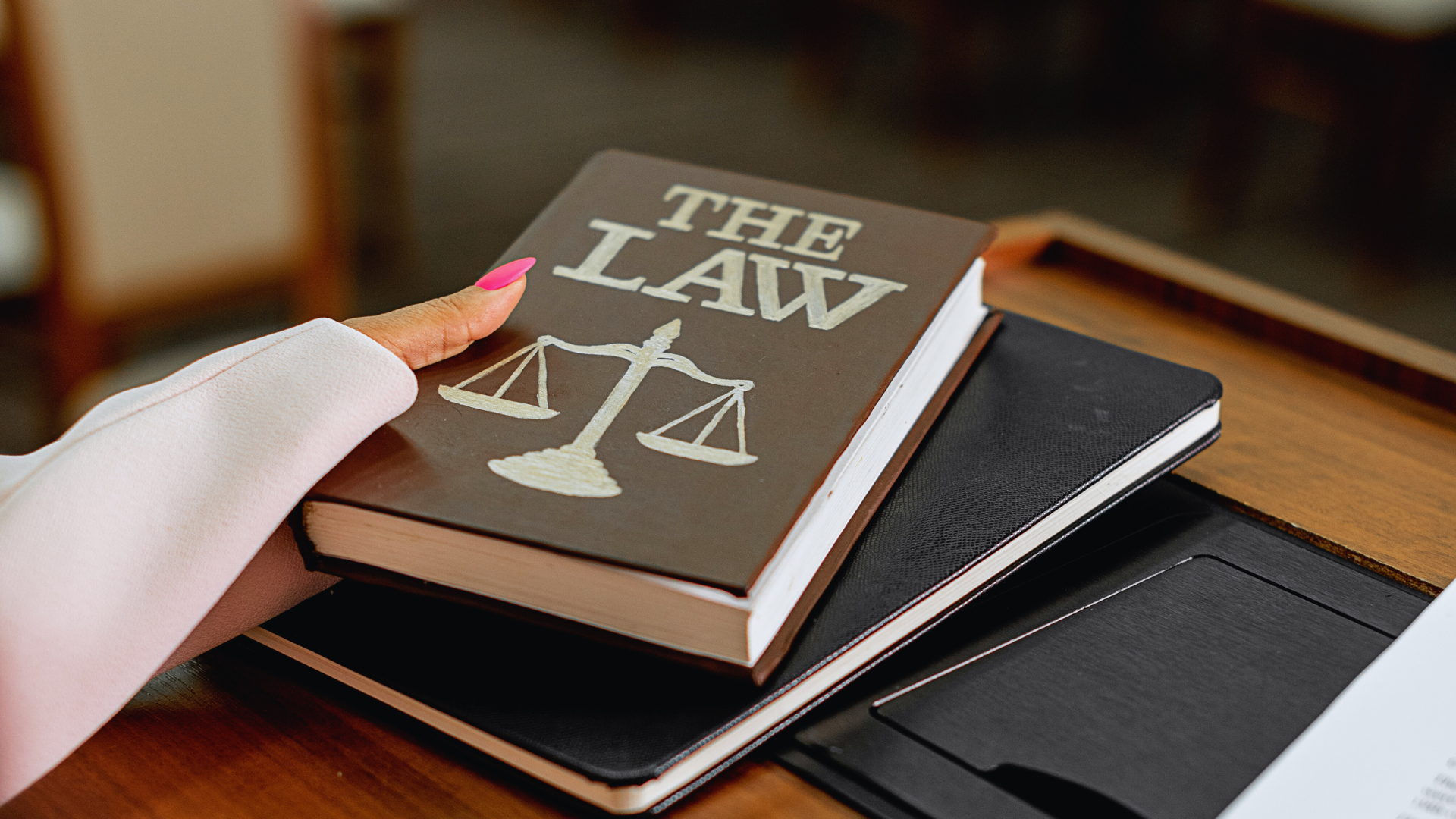

Understanding basic laws starts with recognizing that laws are created to regulate behavior and maintain order within a society. The simplest way to grasp legal principles is by breaking down laws into their key elements: definitions, rights, duties, and consequences.
Once you know what each law intends to do, you can better understand how it applies to everyday situations. This approach helps you navigate legal language and concepts without needing specialized training.
By focusing on clear examples and practical explanations, you can confidently interpret laws and see their impact on daily life. This makes the complex world of law accessible and relevant.
What Are Basic Laws?
Basic laws establish the fundamental rules that govern a country’s legal system. They define rights, responsibilities, and the structure of government. Understanding these laws helps clarify how societies maintain order and protect citizens.
Definition and Importance
Basic laws are fundamental legal principles that serve as the foundation for a country’s legal framework. They regulate the powers of government branches, protect individual rights, and ensure justice. Unlike ordinary laws, basic laws have a higher legal status and cannot be easily changed.
Their importance lies in maintaining stability and fairness within a society. By setting clear guidelines, basic laws prevent abuse of power and guarantee citizens’ freedoms. Many countries use basic laws to replace or supplement constitutions, especially when formal constitutions are absent or undergoing reform.
Historical Development of Basic Laws
Basic laws often emerge in response to political or social change. For example, the Basic Law for the Federal Republic of Germany was adopted in 1949 after World War II to establish democratic governance. In other cases, basic laws develop gradually from customs, court decisions, and legislative actions.
These laws reflect a nation’s history and values. Over time, amendments and judicial interpretation influence their evolution. Countries may adopt basic laws temporarily or as permanent constitutional frameworks, depending on their legal traditions and political stability.
Types of Basic Laws
Basic laws can be categorized into several types based on their functions:
- Constitutional Basic Laws: Define the organization of government and distribution of powers.
- Human Rights Basic Laws: Protect freedoms such as speech, religion, and due process.
- Organizational Basic Laws: Regulate the structure of state institutions and public administration.
Some countries combine these types in a single document, while others separate them into distinct laws. The format and content depend on the country’s legal system and historical context.
Key Principles Underlying Basic Laws
Basic laws rest on clear, foundational ideas that define how legal systems operate and maintain order. These include the consistent application of rules, fairness in treatment, and the balanced distribution of government powers.
Rule of Law
The rule of law requires that laws apply equally and predictably to all individuals and institutions. No one, including government officials, is above the law. This principle prevents arbitrary decisions and protects citizens’ rights by ensuring laws are publicly known, stable, and enforced fairly.
It also means that laws must be clear and follow established procedures. This allows people to understand their rights and obligations, creating a structured legal environment where justice can be consistently upheld.
Equality Before the Law
Equality before the law guarantees that every person receives the same legal protections and obligations, regardless of status, race, gender, or other personal factors. It prohibits discrimination by ensuring all individuals are subject to the same laws and treated impartially in legal proceedings.
This principle supports fairness and access to justice. Courts must apply laws without bias, and everyone should have an equal opportunity to defend their rights or seek remedies.
Separation of Powers
Separation of powers divides the functions of government into three branches: legislative, executive, and judicial. Each branch has distinct responsibilities and checks the others to prevent misuse of power.
- Legislative: Creates laws.
- Executive: Implements and enforces laws.
- Judicial: Interprets laws and resolves disputes.
This separation helps maintain balance and accountability within the government, ensuring that no single branch dominates the legal system.
How to Read and Interpret Basic Laws
Reading basic laws requires attention to specific wording, understanding the context in which the law operates, and consulting authoritative legal materials. These steps ensure clarity and accuracy when interpreting legal provisions.
Understanding Legal Language
Legal language often includes specialized terms and formal phrases. Words like “shall” typically mean mandatory actions, while “may” indicates permission. These terms are precise and should not be confused with their everyday use.
Complex sentence structures are common. Breaking down sentences into smaller parts helps clarify each component’s meaning. Look for definitions provided within the law itself, as they often explain key terms.
Pay attention to verbs and conditions. For example, conditions starting with “if” or “unless” affect how the law applies in different situations. Ignoring these nuances can lead to misinterpretation.
Contextual Interpretation
Laws do not exist in isolation. Understanding the broader legal framework helps interpret a law correctly. This includes considering related statutes, regulations, and case law.
The purpose behind a law guides its interpretation. Reviewing legislative history, such as committee reports or debates, can reveal lawmakers’ intentions.
Also, consider practical application. How a law operates in real-world scenarios can affect its reading. For example, interpretations by courts provide insight into how the law functions.
Referencing Legal Sources
Use official legal texts as primary references. These include government-published versions of statutes and regulations. Online legal databases are reliable sources for accessing current laws.
Secondary sources, like legal commentaries and textbooks, offer explanations and context but are not authoritative. They can help clarify difficult concepts.
Pay attention to annotations and cross-references within the law. These guide readers to related rules or exceptions, which are crucial for a full understanding. Always verify information against the latest version of the law.
Different Categories of Basic Laws
Laws can be divided based on their purpose and scope. They regulate government powers, individual rights, and behaviors that harm society.
Constitutional Laws
Constitutional laws define the structure of government and the relationship between state powers and citizens. They establish fundamental rights such as freedom of speech, religion, and the right to a fair trial. These laws ensure that laws passed by other branches do not violate basic rights.
They serve as the highest legal authority. Any law conflicting with constitutional provisions can be declared invalid. Constitutional laws also guide how officials perform duties and how government branches check each other.
Civil Laws
Civil laws govern disputes between individuals, organizations, or between the two. They deal with contracts, property ownership, family matters like divorce, and compensation claims. This category aims to resolve conflicts fairly and restore rights.
Civil cases usually involve private parties and focus on monetary damages or specific performance rather than criminal punishment. Examples include breach of contract, negligence, and landlord-tenant disputes.
Criminal Laws
Criminal laws define acts considered offenses against society or the state. They specify crimes such as theft, assault, murder, and fraud. These laws set penalties like fines, imprisonment, or community service.
Their primary goal is to maintain public order and safety by deterring harmful behavior. Prosecutions are carried out by the government, and guilt must be proven beyond a reasonable doubt.
Applying Basic Laws in Everyday Life
Understanding how laws affect daily activities helps in recognizing rights, handling common situations, and knowing when to consult professionals.
Legal Rights and Responsibilities
Everyone has basic legal rights such as freedom of speech, the right to privacy, and protection from discrimination. These rights ensure personal safety and fairness in interactions with others.
At the same time, responsibilities include following laws like paying taxes, respecting contracts, and maintaining public order. Ignoring these can lead to legal consequences such as fines or penalties.
Knowing both rights and responsibilities helps avoid conflicts. For example, understanding tenant rights prevents unlawful eviction, while meeting contractual obligations avoids lawsuits.
Common Legal Situations
Legal issues often arise in areas like consumer purchases, employment, and property. For example, if a product is faulty, consumer protection laws may entitle one to a refund or replacement.
Employment matters include rights to fair wages, safe work conditions, and protection against wrongful termination. Being aware assists in resolving disputes effectively.
Property laws govern ownership, leasing, and use of real estate. Proper knowledge helps when buying a home or dealing with landlord-tenant conflicts.
| Situation | Key Legal Aspect | Action to Take |
| Faulty product | Consumer protection law | Request a refund or repair |
| Workplace dispute | Employment law | Review the contract, lodge a complaint |
| Renting property | Tenant rights | Communicate issues, seek mediation |
Seeking Legal Advice
Legal questions or disputes can be complex. When uncertain, consult qualified attorneys or legal aid services to avoid mistakes.
Choosing a lawyer depends on the issue—specialists in family law, consumer law, or real estate are preferable for specific cases. Costs and qualifications matter as well.
Keep records of all relevant documents before meeting a lawyer. Clear communication about the problem and goals helps the legal expert provide accurate guidance.
Common Misunderstandings About Basic Laws
Many people confuse legal concepts and terminology, which leads to incorrect beliefs about what laws actually require or permit. Clear distinctions between myth and fact, as well as proper interpretation of legal terms, are essential to grasp basic laws accurately.
Myths and Facts
A common myth is that laws always punish wrongdoing immediately. In reality, legal processes take time, and consequences depend on court procedures and evidence. Another misconception is that all laws are uniform across regions; however, laws can vary widely by state or country.
Some believe that ignorance of the law excuses one from responsibility. Legally, however, not knowing the law typically does not prevent enforcement or penalties. It is also false to think that laws are always enforced strictly and without discretion. Authorities often have some level of interpretation and choice in enforcement.
| Myth | Fact |
| Laws punish instantly | Legal processes require time and investigation |
| Laws are the same everywhere | Laws differ between jurisdictions |
| Ignorance excuses breaking the law | Ignorance generally is not a valid legal defense |
| Laws are enforced uniformly | Enforcement can vary depending on context and discretion |
Misinterpretation of Terminology
Legal terminology often causes confusion. For example, “due process” is not just a formality but a guaranteed legal procedure ensuring fairness when rights are affected. Similarly, “burden of proof” means the obligation to provide evidence, which differs by case type, such as civil or criminal.
Terms like “liable” and “guilty” are mistaken as synonyms, but “liable” pertains to civil responsibility, while “guilty” relates to criminal offenses. Misunderstandings can lead to incorrect assumptions about outcomes.
Understanding that laws contain specific language and definitions is vital. Misinterpreting these terms can result in misapplication or flawed expectations of legal results. Always consult precise definitions to avoid errors.
Resources to Expand Your Understanding
To improve your grasp of basic laws, use targeted materials and learning platforms. Engage with authoritative books, trusted websites, and formal educational programs tailored to legal beginners.
Recommended Reading
Start with books written for non-lawyers that explain legal concepts clearly. Titles like “Law 101” by Jay Feinman or “The Legal Analyst” by Ward Farnsworth break down complex ideas into manageable chunks.
Look for annotated statutes and guides that include definitions and examples. They help connect the law’s language to real-world applications. Libraries and online retailers often carry these resources.
Using a variety of books—historical, procedural, and topical—builds a well-rounded legal foundation. Maintain notes on key principles to reinforce learning.
Online Legal Platforms
Websites like Nolo, FindLaw, and Justia provide accessible, up-to-date legal information without jargon. These platforms cover topics from contracts to criminal law with simple explanations and FAQs.
Some offer interactive tools such as legal dictionaries, form builders, and step-by-step guides. These make complex processes easier to follow.
Access to free case summaries and statutes helps in understanding how laws are applied in practice. Using multiple platforms ensures a balanced perspective.
Legal Education Opportunities
Enroll in introductory courses at community colleges or universities to gain structured knowledge. Many offer online classes focused on fundamental legal principles and terminology.
Massive Open Online Courses (MOOCs) on platforms like Coursera or edX provide flexible options. These courses often include video lectures, quizzes, and peer discussions.
Workshops and seminars hosted by legal aid organizations also offer practical insights. Participating actively in these programs accelerates comprehension and retention.
Conclusion
Understanding basic laws requires patience and focus. Start by learning key terms and concepts, then explore how laws apply in everyday situations. This approach builds a solid foundation.
Use reliable resources such as official websites, textbooks, and legal guides. Keep in mind that laws can vary by location and may change over time. Staying updated is important.
Here are three practical tips:
- Ask questions when unsure.
- Review examples of laws in action.
- Discuss topics with knowledgeable people.
Basic laws help maintain order and protect rights. Gaining a clear understanding can improve decision-making and awareness of legal responsibilities.
Focus on gradual learning rather than memorizing everything at once. Over time, comprehension will grow, making legal information more accessible and less intimidating.