
Understanding court procedures is essential for anyone involved in legal matters. These procedures include specific steps, rules, and timelines that guide how cases move through the judicial system.
The key to understanding court procedures is recognizing the sequence of hearings, filing requirements, and the roles of all parties involved. Knowing this helps you navigate the process more effectively and reduces confusion.
Many court processes follow a standard pattern, but details can vary depending on the type of case and jurisdiction. Familiarizing yourself with these basics can build your confidence when interacting with the court system.
What Are Court Procedures?
Court procedures guide how legal cases move through the justice system. These rules ensure fairness, organization, and clarity at every stage of a trial or hearing. Understanding these steps helps participants know what to expect and how to prepare.
Definition of Court Procedures
Court procedures are the formal rules and steps followed during legal proceedings. They govern actions like filing documents, presenting evidence, and conducting trials. These procedures vary by court jurisdiction but share common principles designed to maintain order and protect rights.
They include processes such as pleadings, motions, discovery, hearings, and appeals. Each step has specific rules about timing, format, and conduct that must be followed precisely. Deviating from these rules can impact the case outcome.
Purpose of Legal Procedures
The main purpose of legal procedures is to ensure fairness for all involved parties. By standardizing how cases are handled, courts reduce the risk of arbitrary or biased decisions.
Procedures protect legal rights by requiring evidence to be presented properly and allowing all sides to respond. They also promote efficiency by setting timelines and clear guidelines to prevent unnecessary delays.
Additionally, consistent procedures uphold public confidence in the justice system. Citizens can understand and trust the process when rules are transparent and evenly applied.
Basic Legal Terminology
Knowing common legal terms is essential for following court procedures. Some key terms include:
| Term | Meaning |
| Plaintiff | The party that initiates a lawsuit |
| Defendant | The party responding to the lawsuit |
| Motion | A request made to the court for a specific ruling |
| Discovery | The exchange of evidence between parties |
| Hearing | A formal meeting before a judge |
| Appeal | Requesting a higher court to review a decision |
Familiarity with these terms helps participants understand court documents and proceedings clearly. It also aids in effective communication with attorneys and judges.
Understanding the Structure of the Court System
Courts operate under different roles depending on their place in the hierarchy, the types of cases they handle, and their geographic or topical limits. These factors shape how legal disputes are reviewed and resolved.
Trial Courts vs. Appellate Courts
Trial courts are the first level where cases are heard, and evidence is presented. They determine facts and apply the law to reach a decision. Types of trial courts include district courts, circuit courts, and county courts, depending on the jurisdiction.
Appellate courts review decisions made by trial courts to ensure the law was applied correctly. They do not retry cases or hear new evidence. Instead, appellate judges focus on legal errors or procedural issues. Decisions here can affirm, reverse, or remand cases back to the trial court.
Jurisdictional Differences
Jurisdiction defines a court’s legal authority to hear cases. It can be based on geography, subject matter, or monetary value. For example, a municipal court handles local ordinance violations, while federal courts hear cases involving federal laws.
State courts generally cover a broad range of matters, including criminal, family, and probate law. Federal courts have limited jurisdiction, often involving constitutional issues, federal laws, or disputes between states or foreign entities.
Specialized Courts Overview
Specialized courts focus on particular types of cases and use tailored procedures. Examples include juvenile courts, bankruptcy courts, and drug courts. These courts often involve specialized judges and resources aimed at efficient or rehabilitative outcomes.
For instance, bankruptcy courts specifically handle financial insolvency cases under federal law. Drug courts emphasize treatment and rehabilitation for offenders rather than traditional penalties. Specialized courts streamline complex legal areas with focused expertise.
Stages of a Court Case
A court case follows specific steps that structure how disputes are resolved. These include formally starting the case, addressing legal issues before trial, and presenting evidence during the trial itself.
Filing a Lawsuit
The process begins when the plaintiff files a complaint with the court. This document outlines the plaintiff’s claims against the defendant and the relief sought. It must include details like facts, legal grounds, and jurisdiction.
After filing, the defendant is officially notified through a process called service of process. They then have a set time to respond, typically by filing an answer or motion to dismiss.
Filing fees apply, and in some cases, alternatives like small claims court or mediation may be recommended before proceeding.
Pretrial Motions
Before trial, parties can file motions to clarify or limit issues. Common motions include requests to dismiss the case, exclude certain evidence, or compel discovery.
Discovery is a key phase involving the exchange of information between parties. This may include depositions, interrogatories, and document requests.
Pretrial conferences may be held to encourage settlement or set trial dates. The judge may rule on motions impacting how the trial will be conducted.
Trial Proceedings
The trial is the formal examination of evidence before a judge or jury. It typically begins with opening statements from both sides.
Witnesses present testimony and physical evidence may be submitted. Cross-examinations test the credibility and relevance of evidence.
After all the evidence is presented, both parties make closing arguments. The judge or jury then deliberates and issues a verdict or judgment based on the facts and law.
How to Prepare for Court
Preparation involves collecting all necessary information, reviewing key documents, and coordinating with legal professionals. Staying organized and informed reduces the risk of overlooking important details.
Gathering Evidence
Collect all physical and digital evidence relevant to your case early. This includes emails, contracts, photographs, videos, receipts, and witness statements. Make copies and organize them by date or topic.
Label each piece clearly and prepare a list summarizing each item’s importance. This helps present your evidence efficiently in court and assists your legal counsel.
Ensure evidence is gathered legally to avoid disputes about its admissibility. If uncertain, seek advice on proper collection methods.
Understanding Legal Documents
Review all court documents carefully, including complaints, summons, motions, and responses. Note deadlines, court dates, and specific instructions.
Highlight unfamiliar legal terms and look up definitions or ask your legal counsel for clarification. Understanding documents prevents missed obligations.
Keep a chronological folder of these documents to track case progress. Bring them to all meetings and court appearances for quick reference.
Working with Legal Counsel
Choose an attorney experienced in your type of case and communicate openly. Provide your lawyer with all the evidence and relevant documents promptly.
Clarify your goals and ask about the legal process, potential outcomes, and court procedures. Follow your attorney’s advice on courtroom behavior and witness preparation.
Schedule regular updates and prepare questions ahead of meetings. Good communication improves strategy and your confidence in court.
Key Participants in Courtroom Procedures
Courtroom procedures depend on a defined group of individuals with specific functions. Each participant has a distinct role that ensures the legal process is fair, orderly, and follows established rules.
Roles of the Judge and Jury
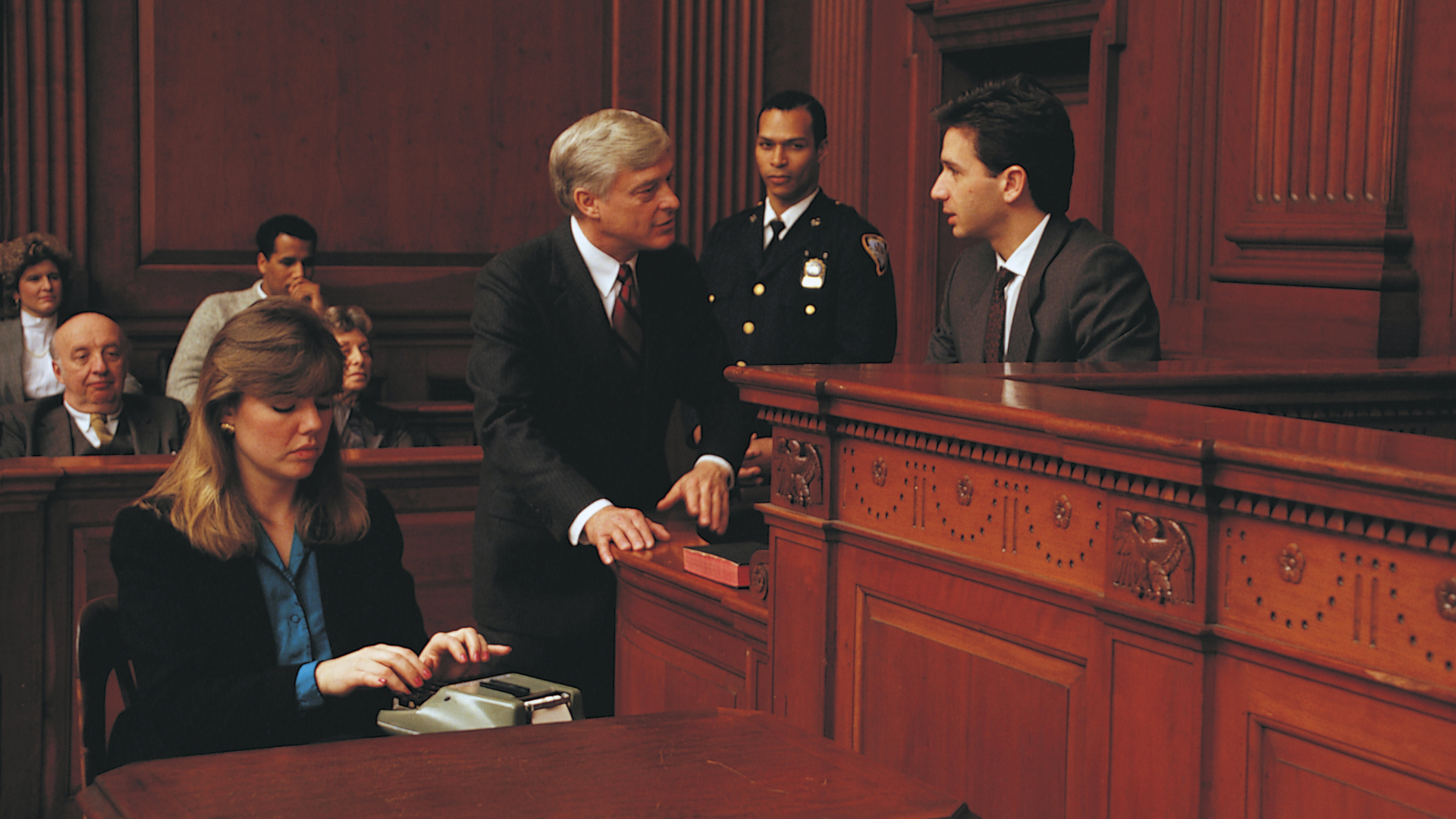
The judge oversees courtroom proceedings, maintaining order and ensuring that the trial follows legal protocols. They rule on objections, interpret the law, and issue sentencing in criminal cases or judgments in civil cases when no jury is involved.
The jury, when present, is responsible for evaluating the evidence and delivering a verdict. Typically composed of 6 to 12 citizens, jurors must remain impartial and base their decision solely on the facts presented.
In bench trials, the judge performs both roles, acting as fact-finder and legal authority. Judges also instruct the jury on legal standards to apply during deliberations.
Responsibilities of Attorneys
Attorneys represent the parties involved—prosecution and defense in criminal cases, plaintiff and defendant in civil cases. Their job includes presenting evidence, questioning witnesses, and making legal arguments to support their side.
They must adhere to ethical standards, avoid misleading the court, and protect their client’s constitutional rights. Attorneys prepare by researching case law, filing motions, and crafting opening and closing statements.
Effective communication and strategic planning are critical to influencing the outcome of the trial. Attorneys also negotiate plea deals or settlements when appropriate.
Other Courtroom Personnel
Court clerks manage administrative tasks like maintaining records, swearing in witnesses, and handling exhibits. They ensure documents are properly filed, and courtroom logistics run smoothly.
Bailiffs provide security, escort participants, and maintain order during proceedings. Their visible presence helps prevent disruptions and ensures safety.
Court reporters create a verbatim transcript of everything said during the trial. This record is essential for appeals or future reference.
Expert witnesses, interpreters, and probation officers may also be involved, depending on the case’s specifics. Each supports the court’s ability to weigh evidence reliably.
Essential Courtroom Etiquette
Respect and attention to detail are crucial in courtrooms. This includes how you behave, dress, and speak to officials. Each action affects how you are perceived and can influence the proceedings.
Professional Conduct
Maintain silence unless speaking. Use a calm voice and avoid interrupting others. Turn off or silence all electronic devices to prevent distractions.
Arrive early to show respect for the court’s time. Avoid eating, drinking, chewing gum, or making loud noises. Listen carefully to instructions from the judge, bailiff, or clerk.
Use formal language, avoiding slang or casual expressions. Stand when addressing the judge and only speak when permitted. Keep personal items neatly stored and do not make unnecessary movements.
Dress Code for Court
Dress conservatively and neatly to convey respect and seriousness. Typical attire includes a suit or dress shirt with slacks for men, and business attire for women.
Avoid bright colors, flashy accessories, and casual clothes like jeans, t-shirts, or sneakers. Hats and sunglasses should be removed upon entering the courtroom.
Shoes should be clean and appropriate. Clothing should be modest, avoiding low-cut tops or overly short skirts. Professional appearance supports your credibility.
Addressing the Judge and Others
Always address the judge as “Your Honor.” Speak clearly and politely when presenting arguments or answering questions.
Refer to others formally, using titles like “Mr.,” “Ms.,” or “Counsel.” Avoid casual nicknames or first names unless specifically invited.
Do not interrupt or speak over anyone. If you need to respond, wait until recognized by the judge. Respectful communication maintains courtroom order and decorum.
Post-Trial Procedures
Once a verdict is delivered, specific steps must be taken to address errors, seek changes, or ensure compliance with the court’s decision. Understanding how to navigate these steps is essential to protect your rights and enforce the ruling effectively.
Appeals Process
The appeals process allows a party to challenge the trial court’s decision in a higher court. Appeals must be based on legal errors, not on disagreements with factual findings. Deadlines for filing an appeal are strict, often within 30 days after the judgment.
To begin an appeal, a formal notice of appeal must be filed with the trial court. The appellant then submits written briefs outlining the alleged errors and legal arguments. The appellee responds, defending the original judgment.
Appeals focus on the trial record; no new evidence is introduced. The appellate court may affirm, reverse, or remand the case for further proceedings. Understanding procedural rules and deadlines is critical, so consulting a lawyer is advisable.
Enforcing Court Orders
After judgment, enforcement ensures compliance with the court’s mandate, such as payment of damages or transfer of property. If the losing party does not voluntarily comply, legal tools are available.
Common methods include wage garnishment, property liens, and seizure of assets. The court can also hold a party in contempt for failure to obey orders, which may result in fines or jail time.
To start enforcement, the winning party typically files a separate motion or request in court. Documentation, like the final judgment and proof of non-compliance, must be provided. Timely action is important to avoid losing enforcement rights.
Accessing Court Resources
Understanding available court resources can help individuals navigate complex procedures efficiently. These resources include professional legal assistance, online tools for self-help, and official sources where relevant court information is published.
Legal Aid Services
Legal aid services provide free or low-cost legal help to eligible individuals. These services are crucial for those who cannot afford private attorneys. Eligibility often depends on income, type of case, and residency status.
Legal aid organizations offer assistance with paperwork, court representation, and legal advice. They specialize in areas like family law, housing disputes, and public benefits. Contacting local legal aid offices or searching state bar association directories can connect you to these resources.
Self-Help Tools
Self-help tools empower individuals to understand and complete court procedures independently. These include online forms, instructional videos, and step-by-step guides made available by courts or legal nonprofits.
Many states have dedicated court websites featuring document templates, FAQs, and interactive tools. These resources clarify filing deadlines, court rules, and how to prepare for hearings. Using self-help tools accurately reduces errors and delays in court processing.
Where to Find Court Information
Court information is accessible through official websites, clerk’s offices, and public records. Most courts maintain websites listing schedules, rules, and procedural guidelines.
Clerk’s offices provide direct assistance and access to case files. Public legal libraries also house printed materials and may offer staff to help locate specific information. Knowing where to find precise court data is essential for meeting procedural requirements.